
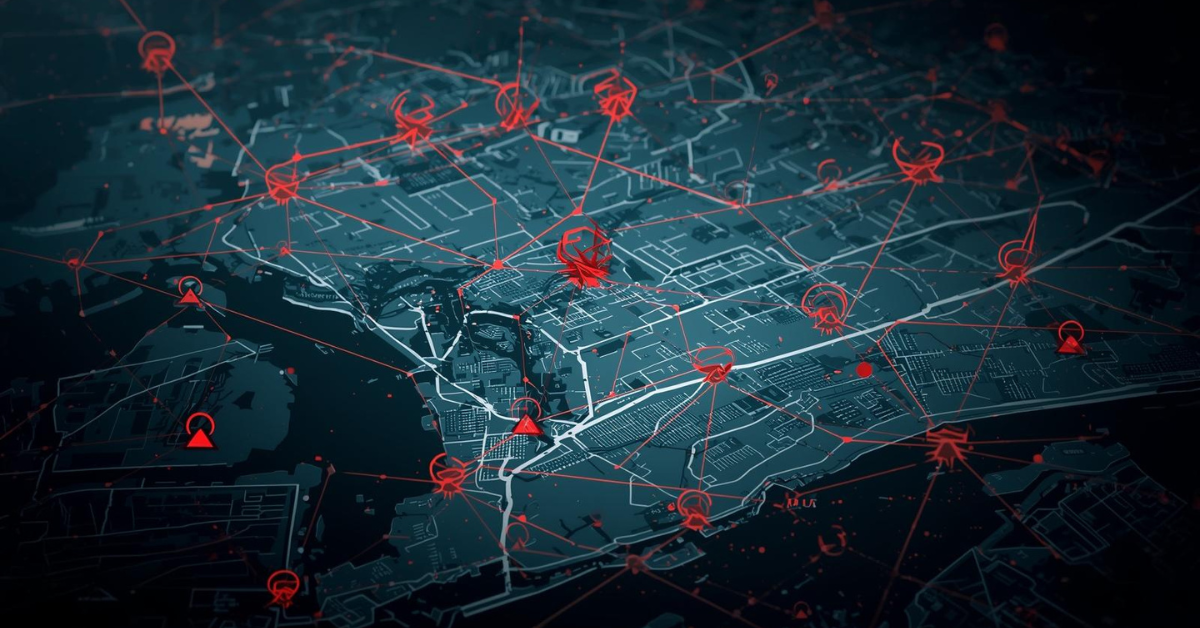
The Huntsville ransomware attack rocked this Ontario town in March 2024, exposing sensitive personal information after hackers infiltrated municipal networks. Detected on March 10, the breach forced systems offline for weeks, affecting data from town services, libraries, and theaters. This incident highlights rising cyber threats to small communities, demanding urgent defenses.
Incident Timeline
Attackers struck Huntsville’s systems via the Algonquin Theatre on March 10, 2024, locking networks until late April. Town officials isolated systems, hired experts, and launched a 19-month probe ending December 2025. No ransom evidence surfaced, but police continue investigating.
“Ransomware targets under-resourced municipalities because recovery costs often exceed defenses,” says Dr. Elena Vasquez, cybersecurity professor at University of Toronto.
Data Compromised
Hackers accessed names, birth dates, addresses, bank details, health cards, passports, SINs, medical records, and criminal histories. Impacts spanned Huntsville town hall, Muskoka Heritage Place, Algonquin Theatre, and public library users. No proof exists of data sales yet, but risks persist.
Town CAO Denise Corry stated, “We understand how concerning it may be… ensuring individuals can take next steps.” Affected residents receive direct notices without info requests.
Official Response
Systems went dark immediately to curb spread; experts confirmed sensitive personal identifiable information leaks. Notifications target those with town contact data, urging priv.gc.ca precautions. Hotline: 1-888-360-9965 offers support.
“Swift isolation saved worse damage, but delayed notifications erode trust,” notes Sarah Kline, lead analyst at Canadian Centre for Cyber Security.
External link: Town of Huntsville Official Update [DoFollow]
Internal link: Cybersecurity Tips for SaaS Builders
Lessons for Municipalities
Canadian towns face surging ransomware; 92 attacks hit January 2025 alone. Best plays: segment networks, enforce MFA, update software, train staff. Post-breach: monitor credits, change passwords, freeze accounts.
“Proactive hygiene beats reaction—small towns must prioritize zero-trust models,” warns Mike Tran, CEO of BlackFog Security. Forward: AI-driven threat hunting will dominate 2026 defenses under Canada’s National Cyber Threat Assessment.
Key Takeaways
-
Act fast: Isolate systems during Huntsville ransomware attack to limit spread.
-
Notify promptly: Direct contacts without seeking more data build trust.
-
Protect personally: Monitor accounts, use credit freezes post-breach.
-
Invest ahead: MFA and segmentation thwart 80% of municipal attacks.
-
Stay vigilant: Ransomware surges 21% in Canada 2025—plan now.
References
Similar Posts
Phone Scam Prevention: 7 Smart Ways to Stop Fraud Calls Fast