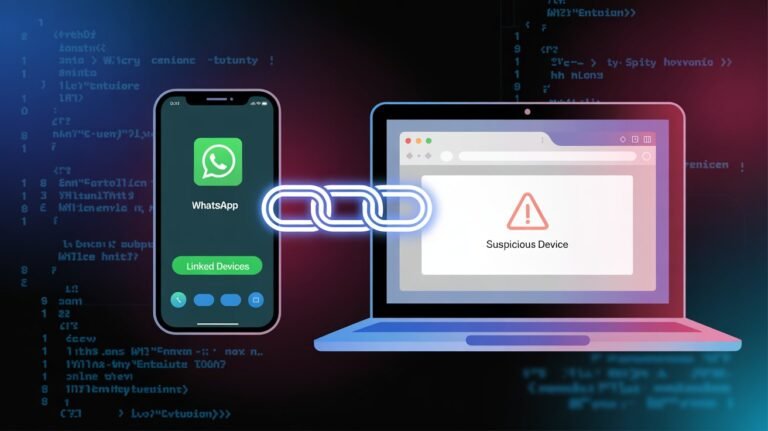


The RBHA data breach highlights how ransomware and data exfiltration intersect with AI-enabled security challenges in US healthcare. For businesses embracing AI tools, the incident underscores the need for robust, adaptive cyber defenses and strong incident response plans. This analysis explores what happened, why it matters, and what steps organizations can take to harden systems and safeguard sensitive data.
What Happened and Why It Matters
The Richmond Behavioral Health Authority (RBHA) experienced a ransomware attack in September 2025 that compromised personal data for 113,232 individuals. According to the U.S. Department of Health and Human Services (HHS), attackers gained unauthorized access, encrypted parts of the network, and may have exposed highly sensitive records—names, Social Security numbers, passport details, and financial data.
While RBHA noted there’s “no definitive evidence” that the data was viewed or used, the exposure risk remains high. For security teams deploying AI tools, the case shows how fast-moving ransomware actors can exploit outdated systems and attack before conventional detection tools react.
Evidence and Context
A SecurityWeek report confirmed that the Qilin ransomware group took credit for the attack on its dark web leak site, hinting that significant data exfiltration occurred. RBHA detected the intrusion on September 30, 2025, terminated access, and has since engaged cybersecurity experts to strengthen its systems.
Cybersecurity analysts warn that the healthcare sector remains an attractive target because patient data can be monetized multiple ways—through identity theft, insurance fraud, or resale on dark web markets. As cybercriminals evolve, organizations dependent on AI-powered healthcare analytics will need defenses that can adapt to novel tactics.
AI in Business Tools: Lessons for Resilience
AI-driven security products can identify anomalies, automate incident response, and improve forensic precision. However, the same AI capabilities are now being weaponized by threat actors to automate credential theft and evade detection. The RBHA case underscores why businesses must deploy AI-based security solutions with explainability, governance, and continuous validation.
Best practices include:
-
Embedding model validation into overall cybersecurity audits.
-
Integrating AI threat detection with human oversight to avoid false negatives.
-
Restricting sensitive data exposure in AI training pipelines.
-
Using verified frameworks like NIST AI Risk Management to guide adoption.
Organizations should treat AI systems not just as protective assets—but as potential attack vectors needing defense.
Cybersecurity Impact: Individuals and Enterprises
For affected individuals, the risks include identity theft, fraudulent credit activity, and financial disruption. Security advisors recommend monitoring credit reports, enabling fraud alerts, or initiating a credit freeze where appropriate.
At the enterprise level, the breach illustrates how costly data governance failures can be. Healthcare providers face regulatory investigation under the HIPAA Security Rule, as well as potential class-action lawsuits. Moreover, businesses integrating AI across healthcare workflows are under pressure to ensure that their algorithms handle sensitive data with privacy-by-design principles.
Forward-Looking Analysis
As AI becomes more integrated into healthcare operations, data governance and cyber risk management must advance together. Companies should invest in AI-powered threat hunting tools that link real-time telemetry with predictive analytics to identify threats before encryption or data exfiltration occurs.
Industry observers note that healthcare infrastructures, already strained post-pandemic, risk falling behind threat evolution. The RBHA breach offers a wake-up call: future attacks will likely blend ransomware with data poisoning—injecting corrupted medical or financial data to disrupt not only systems but also AI model accuracy.
References Section
-
U.S. Department of Health and Human Services (HHS) — Official Breach Report Portal
-
SecurityWeek — 113,000 Impacted by Data Breach at Virginia Mental Health Authority
-
Richmond Behavioral Health Authority — Official Data Security Notice (PDF)
-
Internal link: How AI Is Redefining Cyber Resilience in 2026