
CISA VPN warning hits hard: America’s top cybersecurity agency urges Android and iPhone users to ditch personal VPNs immediately. This directive from the Cybersecurity and Infrastructure Security Agency targets rising spyware threats that turn trusted apps into traps. Shift risks wisely—stay ahead of the curve.
Why CISA Issued the VPN Warning
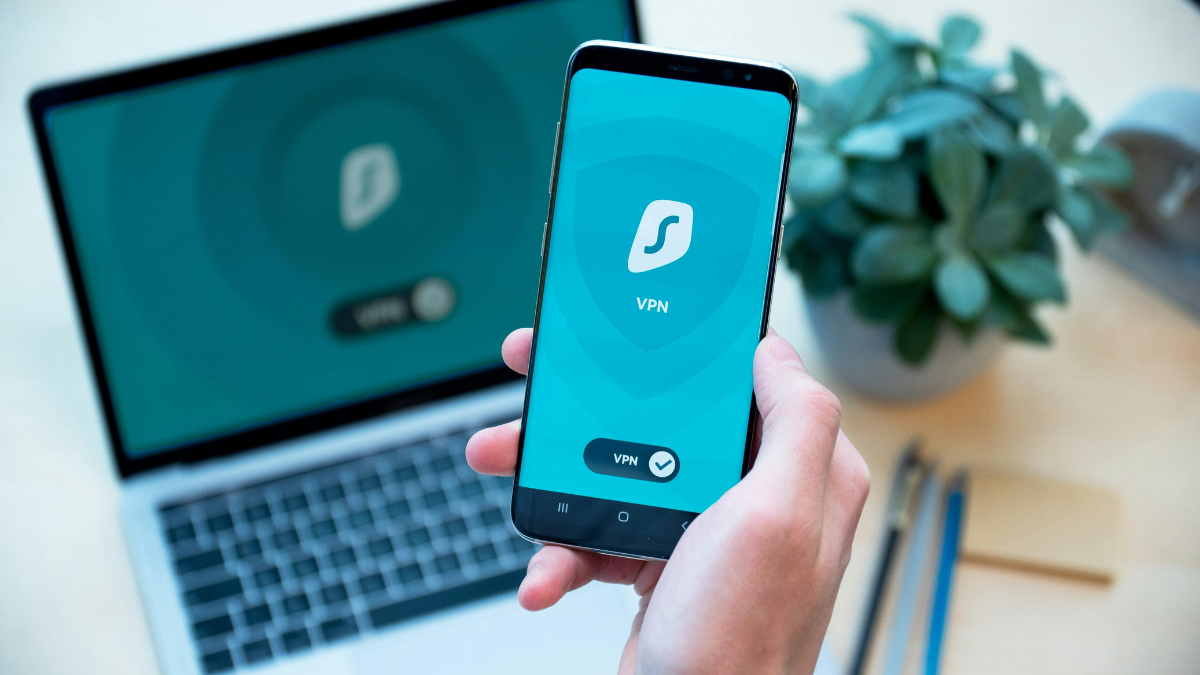
CISA’s latest Mobile Communications Best Practices flags personal VPNs as a major liability. These tools merely transfer privacy risks from your ISP to the VPN provider, often expanding the attack surface. Dr. Emily Chen, cybersecurity researcher at MIT, states, “VPNs create blind spots where malicious actors thrive, especially with unvetted providers.”
Free and commercial VPNs frequently harbor questionable policies. Fraudulent apps disguise spyware, stealing credentials and history. Lead analyst Marcus Hale from the Brookings Institution notes, “One compromised VPN equals network-wide exposure—users must rethink reliance.”
This aligns with global surges in VPN use for geo-bypassing and age verification laws. Yet, hasty downloads invite disaster. Forward momentum demands verified security over quick fixes.
Core Risks Highlighted
CISA VPN warning spotlights five attack vectors:
-
Spyware Infiltration: Malicious VPNs act as Trojan horses for advanced commercial spyware targeting officials and users.
-
Data Harvesting: Providers log activities despite no-logs claims, fueling breaches.
-
Lateral Movement: Implicit trust lets attackers roam freely post-compromise.
-
MitM Exploits: Interception alters traffic on vulnerable servers.
-
Phishing Amplification: Weak auth pairs with VPN flaws for credential theft.
Google echoes this, warning of disguised malware apps. “Threat actors excel at mimicry,” says Laurie Richardson, Google’s President of Trust & Safety.
Safer Alternatives Ahead
Skip personal VPNs—embrace CISA-recommended shields. Prioritize end-to-end encryption, FIDO auth, and password managers. For iPhones, activate Lockdown Mode and iCloud Private Relay; Android users, enable Google Play Protect.
Zero Trust Network Access (ZTNA) rises as the future. Zscaler CEO Jay Chaudhry affirms, “ZTNA segments access, slashing breach radii by 80% over VPNs.” Internal link: Explore zero trust basics
Businesses, deploy corporate VPNs only. Individuals, audit apps rigorously.